About Bal Keshav Thackeray
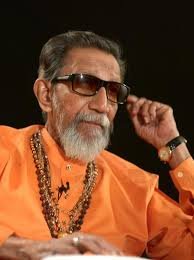
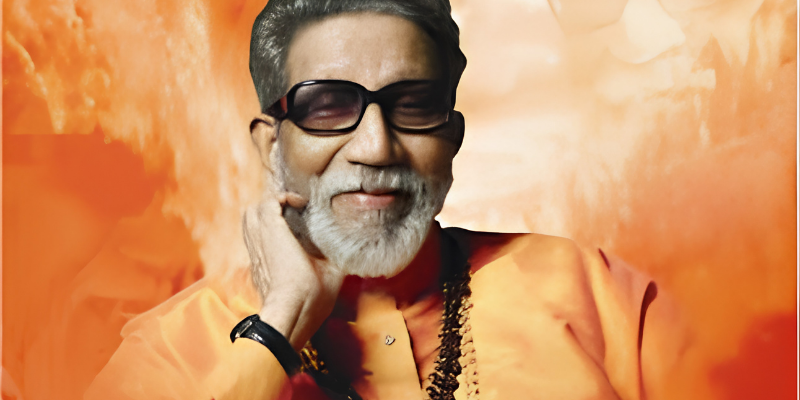
Bal Keshav Thackeray (January 23, 1926 – November 17, 2012), popularly known as Balasaheb, was one of India’s most polarizing and influential political figures. He was the founder of the Shiv Sena and a master of regional and identity politics, earning the title Hindu Hridaysamrat (Emperor of Hindu Hearts) from his followers.
Early Life and Background
Birth: He was born in Pune into a Marathi Chandraseniya Kayastha Prabhu (CKP) family.
Ideological Roots: He was the eldest of eight children. His father, Prabodhankar Thackeray, was a prominent social reformer and leader of the Samyukta Maharashtra movement. This environment deeply influenced Balasaheb’s views on social justice and Marathi linguistic pride.
The Surname: His father changed the family name from Thakre to Thackeray out of admiration for the English novelist William Makepeace Thackeray.
Journey
Before he was a politician, Balasaheb was a world-class artist.
He began his career in the early 1950s as a political cartoonist for the Free Press Journal in Mumbai, working alongside future political rival R.K. Laxman.
Free Press Journal:
In 1960, he left the journal to launch his own political weekly, Marmik, with his brother Shrikant.
Marmik:
Through Marmik, he began highlighting the struggle of the "Marathi Manoos" (common Marathi man). He published lists of employees in government offices and private companies to show that South Indians and other migrants held the majority of jobs, while local Marathi youth remained unemployed.
The Catalyst:
n the late 1980s, Thackeray shifted the party’s focus from purely regional issues to a broader Hindutva (Hindu nationalist) agenda. This led to a long-standing alliance with the BJP in 1989.
Political Shift:
Despite being the most powerful man in Maharashtra for decades, Balasaheb famously never contested an election or held any official government post. He preferred to rule through "remote control," guiding the government from his residence, Matoshree.
The Power Broker:
He was known for his fiery, satirical, and often controversial speeches at Mumbai's Shivaji Park, where he would address massive crowds during Dussehra rallies.
Oratory:
He adopted the Tiger as the party’s mascot to represent strength and aggression in protecting Marathi interests.
The Tiger Symbol:
He passed away in 2012 at the age of 86. His funeral was one of the largest public gatherings in Mumbai’s history, attended by millions of people across the political and social spectrum.
Passing: